

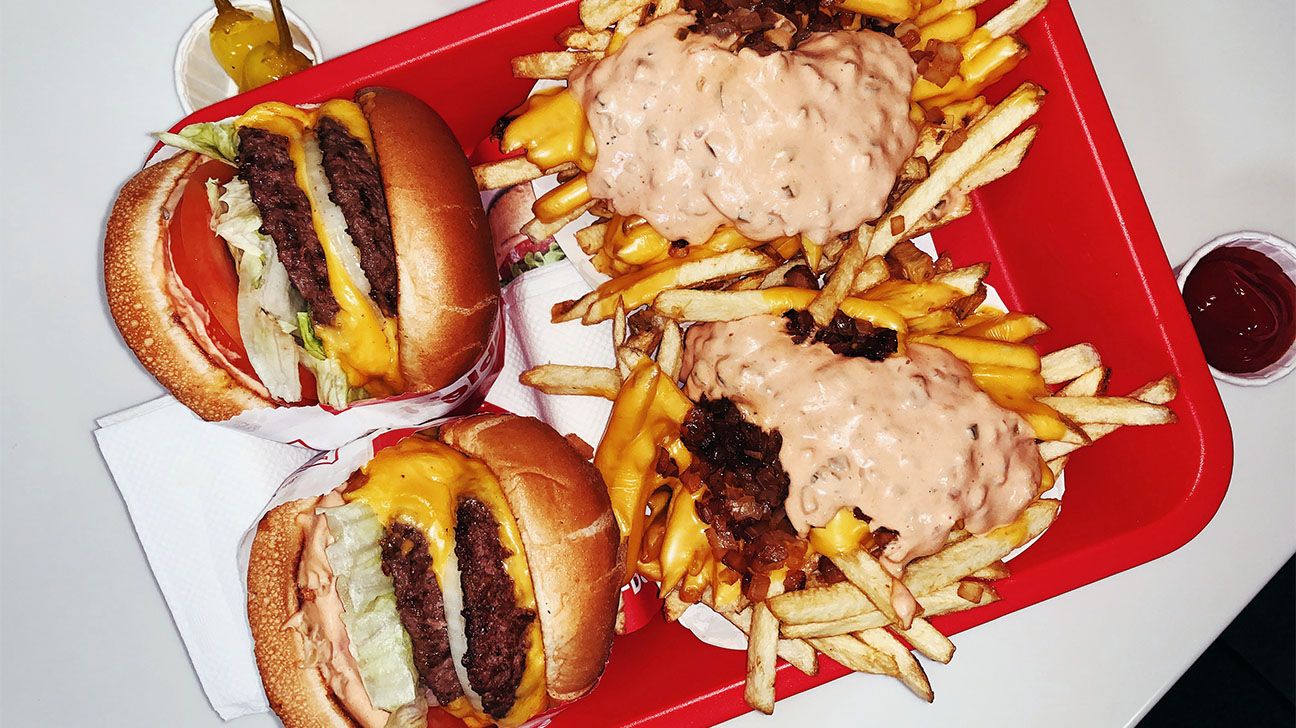
- One new analysis determined that highly engineered consumables are potentially just as habit-forming as cigarettes.
- The study authors discovered that these foods are formulated to maximize reward and accelerate the delivery of reinforcing components.
- The habit-forming property of such products means they fuel compulsive consumption and interfere with natural hunger cues.
- The review authors propose that ultraprocessed foods ought to be governed by regulations similar to those for tobacco products.
Currently, there is no single agreed-upon description of UPFs. Many classify them as products that include additives you would not find in a home kitchen, like stabilizers and additives.
Many professionals use the NOVA food categorization to identify UPFs. This refers to products that contain “formulations of ingredients, primarily of manufacturing origin, typically made by a set of factory processes and processes.”
A recent review released by The Millbank Quarterly indicated that ultraprocessed foods may be just as habit-forming as tobacco products.
“I agree with this study, as UPFs are deliberately designed to be extremely attractive to the majority of people,” commented a bariatric surgeon not affiliated with the research.
Data from last year estimates that over 73% of the foods available in the United States is classified as highly processed.
“Tobacco and ultraprocessed foods are not just natural products but scientifically formulated consumable products designed specifically to increase physical and mental reward and compulsive consumption,” explained the new study’s research team.
Can Ultraprocessed Foods Habit-Forming?
This analysis combined insights from addiction, historical health policy, and dietary science in order to identify textural and compositional qualities that enhance the reinforcing potential of both cigarettes and UPFs.
“It’s not all people is ‘addicted’’ to these foods, but for a sizable group, they elicit typical addiction-like behaviors: intense desires, inability to stop, and persistent consumption despite negative health effects,” explained a preventive cardiology dietitian.
“These foods are intentionally designed with processed carbohydrates, extra oils, sodium, and taste additives to maximize pleasure and repeat consumption, and the industry uses persuasive advertising strategies, especially targeting children,” she stated.
The authors examined several important factors:
- delivery speed
- hedonic engineering, or designing foods to be irresistibly good
- dose optimization
- widespread availability
- deceptive reformulation, or “health washing”
It was observed that, similar to cigarettes, ultraprocessed foods are carefully calibrated to provide the right dose of sweetness.
“Refined carbohydrates stimulate the feel-good chemical release via the vagus nerve, while lipids achieve this via fat detection in the gut,” the authors explained.
“… UPFs with high levels of refined carbohydrates and added fats are some of the most strongly reinforcing foods in the contemporary food supply. Importantly this refined carbohydrate-fat mix is virtually absent in whole foods.”
The way these foods rapidly introduce “pleasure-inducing” chemicals to the brain renders them likely habit-forming, in a comparable way to cigarettes.
The review stated that while cigarettes are designed to deliver nicotine quickly, UPFs are engineered to rapidly digest and absorb, as they typically have minimal fiber. This makes it easier for the system to process fat and sugar more quickly.
Authors also explain that ultraprocessed foods provide deliberate intense tastes that dissipate rapidly and textures that dissolve easily. This all helps to deliver more dopamine and encourages you to consume additional amounts.
‘Wellness Branding’ in Tobacco, UPFs
According to the review, both the tobacco and food sectors have historically employed a tactic called “health washing.”
This is where goods are marketed and reformulated to create an illusion of reduced harm while maintaining the essential of their qualities.
Health washing in the tobacco industry became popular in the mid-20th century with the advent of filter tips on smokes.
They were marketed as protective innovations that would catch harmful substances before they reached the lungs. In reality, filters offer minimal significant benefit.
However, people typically adjusted by taking bigger puffs or smoking more frequently, which offset any reduction in toxin exposure.
The food industry has adopted a comparable strategy. It employs packaging claims like “low fat” or “no sugar added” to promote UPFs.
However, these items still contain the same highly reinforcing formulations. The issue is that these reformulations offer a superficial appearance of wellness while the item’s addictive structure and metabolic harms persist unchanged.
Ought UPFs Be Regulated?
The researchers stated at the end of their review that nourishment and smoking products are not the same thing.
Nevertheless, they warned that certain ultraprocessed foods function like highly optimized products rather than actual food. They proposed that health regulations ought to acknowledge this reality.
“Cigarettes offers a cautionary tale, and smoking regulations offers a model of potential,” the researchers stated.
Due to regulations, smoking levels in the United States have fallen and have “altered public perception of tobacco and eroded confidence in the sector.”
“I believe increased awareness about the negative impact of ultra-processed foods is essential to lower general consumption and enhance population wellness. The approaches employed to reduce tobacco use have been effective and may be a helpful model for ultra-processed foods as well,” said one specialist.
“I don’t think UPFs should be controlled exactly as cigarettes, but they do warrant stronger, smoking policy-based policies: advertising limits, clear front-of-package labeling, stricter rules on health claims, and restrictions in educational institutions or medical facilities,” added another nutrition professional.
The researchers pointed out to people that lightly altered and whole foods have supported our well-being for thousands of years.


